
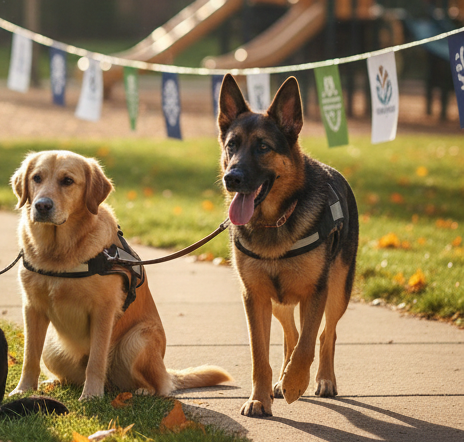
Nonprofit transparency and trust are not optional. They are the foundation of meaningful impact. At Canines for Heroes, transparency guides every decision, from how service dogs are trained to how donations are used to support veterans and first responders.
Trust is earned through consistency, honesty, and accountability. Supporters want to know that their contributions matter. Veterans and first responders need to feel confident that promises will be kept. Dogs rely on responsible care and ethical training. Transparency ensures that all of these needs are honored.
When trust is protected, healing becomes possible.
Why Transparency Matters in Nonprofit Work
Accountability allows organizations to maintain transparency.
Nonprofits operate on public trust. Unlike businesses, nonprofits are funded by donations, grants, and community support. Transparency ensures that those resources are used responsibly and aligned with the mission.
Transparency allows supporters to understand:
How programs operate
How decisions are made
How funds are allocated
What impact is being created
Without transparency, trust erodes. With it, relationships grow stronger.
Building Trust Through Clear Communication
Clear communication is one of the most effective ways to build nonprofit transparency and trust. At Canines for Heroes, communication is not limited to successes. It includes challenges, growth, and learning.
Trust grows when organizations:
Explain their processes
Share realistic timelines
Avoid exaggerated claims
Communicate openly with supporters
Honesty strengthens credibility and deepens community support.
Transparency in Service Dog Programs
Service dog organizations carry a unique responsibility. These programs involve animals, vulnerable individuals, and long-term commitments. Transparency ensures that standards remain high and expectations are clear.
Transparency in service dog programs includes:
Honest descriptions of training timelines
Clear explanation of eligibility and placement
Open communication about outcomes
Ongoing updates and follow-up
This approach protects both the dogs and the people they serve.
Financial Accountability Builds Confidence
Donors want to know that their contributions are being used responsibly. Financial transparency builds confidence and encourages continued support.
Responsible financial practices include:
Clear budgeting
Ethical fundraising
Oversight and accountability
Honest reporting
According to Candid, nonprofits that practice transparency are more likely to retain donor trust and long-term support.
👉 https://www.candid.org
Leadership Responsibility and Transparency
Leadership sets the tone for transparency. When leaders prioritize openness and accountability, those values become embedded in the organization.
At Canines for Heroes, leadership responsibility includes:
Ethical decision-making
Clear internal standards
Accountability to the community
Protection of mission integrity
Transparency begins with leadership and extends to every level of operation.
Protecting Dogs Through Ethical Transparency
Service dogs are not interchangeable. Each dog has unique needs, strengths, and limits. Transparency ensures that dogs are not rushed through training or placed in unsuitable roles.
Ethical transparency includes:
Clear welfare standards
Honest evaluation of dog readiness
Ethical standards guide leadership decisions.
Protecting dogs protects the mission.
Supporting Veterans and First Responders With Trust
Veterans and first responders often approach nonprofit organizations after experiencing disappointment or broken promises elsewhere. Trust is not assumed. It is built.
Transparency supports trust by:
Setting realistic expectations
Communicating openly about timelines
Offering consistent follow-up
Treating applicants with dignity
When trust is established, healing becomes more sustainable.
Transparency Strengthens Families and Communities
The impact of transparency extends beyond individual participants. Families, caregivers, and communities benefit when organizations operate openly.
Transparent nonprofits create:
Reduced confusion
Stronger relationships
Increased confidence in programs
Long-term community support
Trust creates stability for everyone involved.
Transparency During Growth and Change
Growth can challenge transparency; however, organizations must remain accountable as they expand. In doing so, leadership protects trust while maintaining mission alignment.
Responsible growth includes:
Clear explanation of new initiatives
Honest discussion of capacity
Continued adherence to standards
Transparency during change prevents mission drift and protects trust.
The Role of Oversight and Accountability
Oversight ensures transparency remains more than a promise. Accountability systems help nonprofits stay aligned with their mission.
Oversight may include:
Financial review processes
Program evaluation
Leadership accountability
Ethical guidelines
The Internal Revenue Service outlines governance expectations that support nonprofit transparency and trust.
How Transparency Encourages Donor Confidence
Donors are more likely to give when they trust an organization. Transparency provides reassurance that contributions create real impact.
Donor confidence grows when organizations:
Communicate clearly
Share outcomes honestly
Respect donor intent
Demonstrate responsibility
Trust turns one-time donations into long-term partnerships.
How Canines for Heroes Upholds Transparency
At Canines for Heroes, transparency is built into daily operations. The organization prioritizes clear communication, ethical leadership, and accountability to supporters and participants.
Learn more about our mission and values on the About Canines for Heroes page.
Ultimately, nonprofit transparency and trust grow stronger when leaders communicate openly, act responsibly, and remain accountable to the communities they serve.
How You Can Support Transparency and Trust
Community support allows nonprofits to operate responsibly and sustainably.
You can help by:
Making a tax-deductible donation
Sponsoring a service dog
Supporting operational needs
Sharing the mission
FAQ: Nonprofit Transparency and Trust
Why is transparency important for nonprofits
Transparency builds trust because donors want to understand how organizations operate. For this reason, clear communication helps supporters feel confident that their contributions are being used responsibly.
How does transparency protect donors
It ensures funds are used responsibly and aligned with the mission.
Does transparency affect service dog quality
Yes. Clear standards and oversight protect both dogs and handlers.
How can supporters evaluate transparency
Through communication, reporting, and organizational openness.
How can someone learn more about Canines for Heroes
Visit the organization’s website to explore programs and leadership values.
Conclusion
Nonprofit transparency and trust are not trends. They are commitments. At Canines for Heroes, transparency protects the mission, honors supporters, and ensures that veterans, first responders, and service dogs receive the care they deserve.
Consistent communication builds trust over time.