
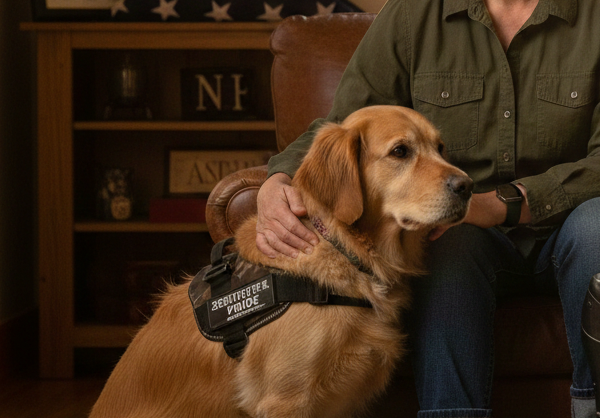
Nonprofit program management plays a critical role in transforming mission statements into real-world impact. At Canines for Heroes, strong management ensures that every service dog is trained with purpose, every veteran or first responder is supported with care, and every donation is used responsibly to change lives.
Behind each successful service dog partnership is a structured system of planning, leadership, accountability, and compassion. Effective nonprofit program management allows organizations to scale responsibly while staying rooted in their mission.
What Is Nonprofit Program Management
Nonprofit program management refers to the planning, execution, and evaluation of services that directly support an organization’s mission. In a service dog organization, this includes training programs, handler placement, volunteer coordination, fundraising alignment, and long-term follow-up.
Strong program management ensures that:
Services remain consistent and effective
Resources are used responsibly
Teams are aligned with the mission
Outcomes are measurable and sustainable
Without structure, even the most passionate mission can struggle to create lasting change.
Why Program Management Matters in Service Dog Organizations
Training and placing service dogs is a complex process that requires coordination across multiple areas. Dogs must be selected, trained, evaluated, and matched. Handlers must be supported before, during, and after placement.
Nonprofit program management ensures that:
Dogs receive proper training timelines
Handlers are matched thoughtfully
Standards remain consistent
Support continues long after placement
This structure protects both the dogs and the people they serve.
Leadership and Mission Alignment
Strong leadership is essential to effective nonprofit program management. Leaders set priorities, uphold standards, and guide teams toward shared goals.
At Canines for Heroes, leadership focuses on:
Mission integrity
Ethical decision-making
Transparency and accountability
Long-term sustainability
When leadership aligns daily operations with the mission, impact becomes measurable and repeatable.
Managing Resources With Purpose
Nonprofits rely on donations, grants, volunteers, and partnerships. Program management ensures that these resources are allocated where they create the greatest impact.
Effective resource management includes:
Budget planning tied to program outcomes
Staff and volunteer coordination
Training investments
Operational oversight
This approach builds trust with donors and partners while maximizing mission results.
Program Evaluation and Continuous Improvement
Evaluation is a key component of nonprofit program management. Tracking outcomes allows organizations to refine services and respond to evolving needs.
Evaluation may include:
Service dog performance assessments
Handler feedback
Long-term partnership success
Program cost analysis
According to nonprofit best practices outlined by Candid, organizations that evaluate outcomes are better positioned to grow sustainably.
👉 https://www.candid.org
Continuous improvement ensures that programs remain effective and responsive.
Supporting Teams Through Clear Structure
Staff, trainers, and volunteers perform best when expectations are clear. Program management provides structure that supports teamwork and morale.
Clear management systems help by:
Defining roles and responsibilities
Establishing communication channels
Creating training standards
Supporting professional development
When teams feel supported, the quality of service improves.
Long-Term Support as a Management Priority
Service dog partnerships require ongoing care. Effective nonprofit program management does not end at placement.
At Canines for Heroes, long-term support includes:
Follow-up training
Behavioral guidance
Adjustments as needs evolve
Continued connection with handlers
This commitment reflects responsible leadership and mission-focused management.
Risk Management and Ethical Responsibility
Nonprofits working with animals and vulnerable populations carry ethical responsibilities. Program management helps mitigate risk through policies, training, and oversight.
Responsible management addresses:
Animal welfare standards
Handler safety
Legal compliance
Financial accountability
The Internal Revenue Service nonprofit guidelines emphasize transparency and compliance for charitable organizations.
👉 https://www.irs.gov/charities-non-profits
Ethical management protects the mission and the people it serves.
Building Trust Through Transparency
Transparency is essential for donor confidence and community trust. Program management ensures accurate reporting and open communication.
Transparency includes:
Clear program descriptions
Honest impact reporting
Financial accountability
Consistent messaging
Trust strengthens relationships and supports long-term sustainability.
How Program Management Supports Growth
Growth must be intentional. Nonprofit program management allows organizations to expand services without compromising quality.
Strategic growth includes:
Scaling training programs responsibly
Expanding geographic reach
Building partnerships
Maintaining service standards
This approach ensures growth enhances impact rather than diluting it.
Why Canines for Heroes Prioritizes Strong Management
Canines for Heroes understands that effective management is essential to honoring veterans, first responders, and the dogs who serve them.
Our management approach focuses on:
Mission-driven leadership
Rescue-based service dog training
Thoughtful handler matching
Long-term partnership success
Learn more about our mission on the About Canines for Heroes page.
How Supporters Strengthen Program Management
Community support fuels effective program management. Donations and partnerships allow organizations to invest in training, staff, and infrastructure.
You can support this mission by:
Making a tax-deductible donation
Sponsoring a service dog
Supporting operational programs
Sharing awareness
FAQ: Nonprofit Program Management
What is nonprofit program management
It is the planning, execution, and evaluation of services that fulfill a nonprofit’s mission.
Why is program management important
It ensures consistency, accountability, and long-term impact.
How does management affect service dog programs
It supports training quality, handler matching, and ongoing support.
Do donors benefit from strong management
Yes. Transparency and accountability build trust and confidence.
How can supporters help
Through donations, partnerships, and advocacy.
Conclusion
Nonprofit program management is the foundation of meaningful impact. Through strong leadership, ethical responsibility, and strategic planning, organizations like Canines for Heroes transform compassion into action.
By prioritizing effective management, Canines for Heroes ensures that every service dog partnership reflects excellence, care, and respect for the heroes we serve.