
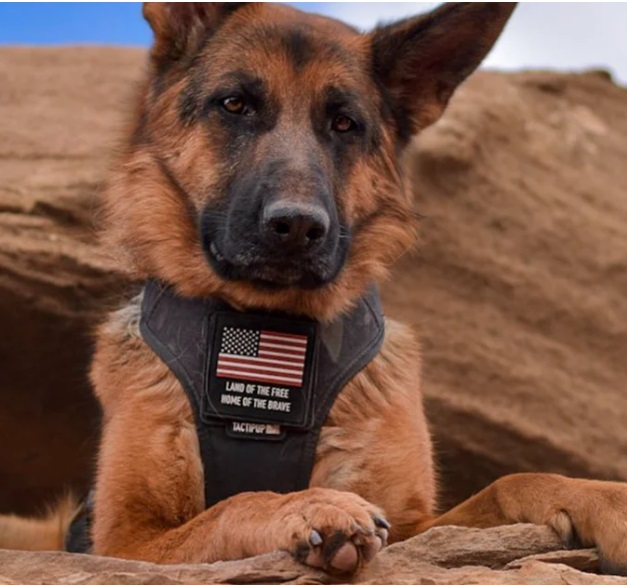
PTSD service dogs for first responders are transforming how firefighters, police officers, EMTs, and dispatchers recover from trauma and high stress careers. First responders spend years responding to emergencies, protecting communities, and helping people during their most difficult moments. While this work is incredibly important, it can also have a lasting emotional impact.
Many first responders experience symptoms related to trauma, anxiety, and post traumatic stress after years of responding to critical incidents. Because of this, PTSD service dogs for first responders are becoming an increasingly important part of recovery and long term emotional support.
These highly trained dogs provide practical assistance, emotional stability, and a sense of safety that allows first responders to rebuild confidence and reconnect with daily life. Organizations like Canines for Heroes are dedicated to helping veterans and first responders receive trained service dogs that support long term healing.
Why PTSD Service Dogs for First Responders Are Needed
First responders regularly face intense and unpredictable situations. Fires, medical emergencies, accidents, and violent incidents are part of their daily responsibilities. Over time, repeated exposure to these experiences can overwhelm the body’s natural stress response.
Some first responders develop symptoms such as:
recurring nightmares
hypervigilance
difficulty sleeping
emotional numbness
anxiety in crowded environments
panic attacks
According to research published by the National Institute of Mental Health, trauma related conditions often develop after prolonged exposure to stressful or life threatening situations.
Because many first responders feel pressure to remain strong and continue working, they may delay seeking help. PTSD service dogs for first responders provide an additional support system that is present every day.
How PTSD Service Dogs for First Responders Reduce Anxiety and Stress
PTSD service dogs for first responders are trained to recognize early signs of emotional distress. Subtle changes in breathing, body language, or movement can signal that anxiety is increasing.
When a dog notices these changes, it performs trained tasks designed to interrupt the stress response.
These tasks may include:
nudging the handler during anxiety episodes
applying grounding pressure by leaning against the handler
guiding the handler away from crowded environments
waking the handler from nightmares
offering calming physical contact
Because these actions occur quickly, they help prevent anxiety from escalating into a panic episode.
Over time, this consistent support helps rebuild emotional stability.
Rebuilding Confidence Through PTSD Service Dogs for First Responders
Trauma can make everyday situations feel unpredictable or unsafe. Many first responders begin avoiding public places, social gatherings, or activities they once enjoyed.
PTSD service dogs for first responders provide reassurance that allows handlers to slowly reintroduce these activities.
With a trained service dog, many individuals regain the confidence to:
attend medical appointments
shop for groceries
visit public spaces
reconnect with friends and family
participate in community events
These small steps play a major role in rebuilding independence.
The Training Process for PTSD Service Dogs for First Responders
Training a service dog requires extensive preparation. Not every dog has the temperament required for this type of work.
Organizations like Canines for Heroes carefully evaluate dogs before beginning training. Trainers look for qualities such as:
calm and stable temperament
strong focus on humans
ability to remain calm in new environments
adaptability during distractions
Once selected, dogs undergo advanced training that prepares them to work with individuals experiencing trauma or anxiety.
Training typically includes:
obedience and public access training
task specific trauma support behaviors
socialization in real world environments
bonding preparation with future handlers
You can learn more about the mission behind these programs by visiting the About Canines for Heroes page on the website.
Daily Life With PTSD Service Dogs for First Responders
One of the most important benefits of a service dog partnership is the routine it creates. Service dogs require daily care and engagement, which naturally builds structure.
Handlers maintain routines such as:
feeding schedules
daily walks and exercise
training reinforcement
grooming and health care
Routine helps create stability, which is often essential for trauma recovery.
Additionally, caring for a service dog can restore a sense of purpose and responsibility.
Many first responders report that their service dog becomes a trusted companion who helps them navigate difficult moments with greater confidence.
The Emotional Connection Between Handler and Service Dog
The bond between a handler and a service dog is incredibly powerful. Unlike many forms of support, a service dog is present throughout daily life.
This constant companionship helps create emotional security.
Handlers often describe their service dog as:
a calming presence
a trusted partner
a source of unconditional support
a reminder that they are not alone
This relationship plays a significant role in emotional healing.
The Impact of PTSD Service Dogs for First Responders on Families
Trauma does not only affect the individual experiencing it. Families often experience stress, uncertainty, and emotional strain as well.
PTSD service dogs for first responders can help reduce household stress by stabilizing emotional situations.
Families often notice improvements such as:
better communication
reduced anxiety episodes
increased emotional stability
improved sleep patterns
As the handler gains support and stability, the entire family benefits.
Why Community Support Is Essential
Training and placing PTSD service dogs requires significant resources. Veterinary care, professional training, equipment, and ongoing support all contribute to the cost of each partnership.
Community involvement helps ensure that more heroes receive the support they need.
People can support this mission by:
sponsoring a service dog
donating to training programs
sharing awareness about service dog organizations
If you would like to help change a hero’s life, visit the Canines for Heroes donation page to learn how your contribution can support service dog training.
Additional Resources for Trauma Recovery
Service dogs are often part of a larger support network that includes therapy, counseling, and peer support programs.
For additional information about trauma recovery and PTSD treatment, resources are available through the U.S. Department of Veterans Affairs, which provides guidance and support for veterans and first responders.
Combining professional care with the daily support of a service dog creates a strong foundation for recovery.
Long Term Benefits of PTSD Service Dogs for First Responders
Over time, many first responders experience significant improvements with the help of a trained service dog.
Long term benefits may include:
reduced anxiety symptoms
improved sleep quality
increased confidence in public environments
stronger emotional regulation
improved relationships with family and friends
These improvements help individuals regain a sense of normalcy and stability.
PTSD service dogs for first responders are not simply companions. They are working partners trained to support recovery and emotional well being.
Frequently Asked Questions
What tasks do PTSD service dogs for first responders perform?
They interrupt anxiety episodes, provide grounding pressure, wake handlers from nightmares, and guide individuals away from stressful environments.
Are PTSD service dogs the same as emotional support animals?
No. Emotional support animals provide comfort, but PTSD service dogs receive specialized training to perform tasks related to trauma support.
How long does service dog training take?
Training typically takes between 12 and 24 months depending on the dog and the tasks required.
Can PTSD service dogs accompany handlers in public places?
Yes. Under disability laws, trained service dogs can accompany their handlers in most public spaces.
How can first responders apply for a service dog?
First responders interested in receiving a service dog can learn more about eligibility and the application process on the How It Works page of the Canines for Heroes website.
A Partnership That Changes Lives
PTSD service dogs for first responders represent hope, resilience, and recovery. These dogs provide practical assistance and emotional stability for individuals who have spent their careers protecting others.
Through careful training and compassionate programs, service dogs help first responders rebuild their lives and regain confidence after trauma.
At Canines for Heroes, every service dog partnership is built on a simple belief: no hero should have to face recovery alone.