
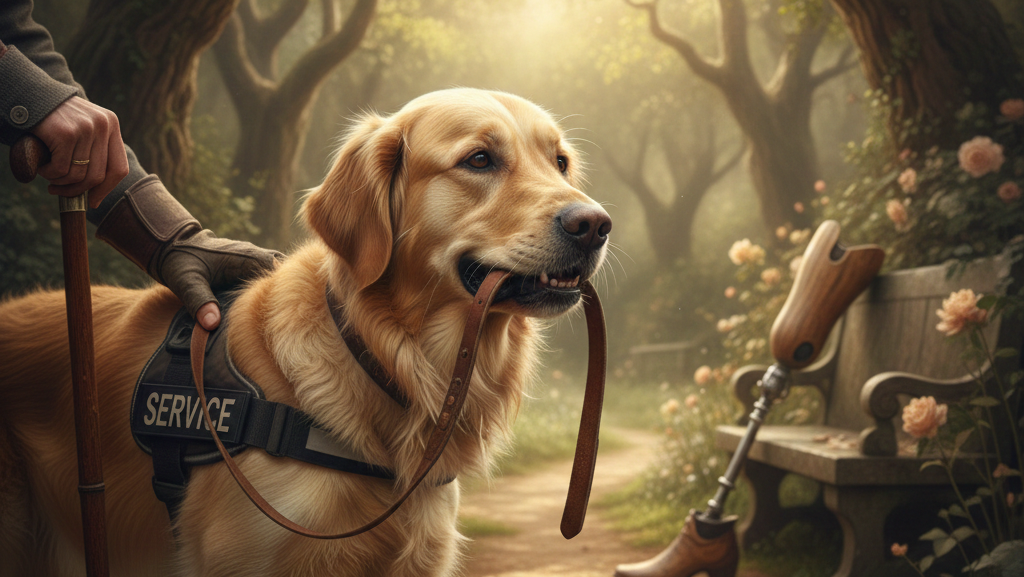
Service dog partnerships provide life-changing support for veterans and first responders recovering from trauma. Through trained canine assistance, these partnerships help restore independence, confidence, and emotional stability in everyday life.
Trauma can quietly reshape a person’s life long after the event itself has passed. For veterans and first responders, trauma is often not the result of a single experience, but the accumulation of years spent in high-risk, emotionally intense environments. Firefighters, law enforcement officers, EMTs, dispatchers, and military veterans are trained to remain calm under pressure, yet the human nervous system can only absorb so much before it begins to respond differently to the world.
For many heroes, trauma affects daily life in ways that are difficult to explain. Sleep becomes disrupted. Crowded spaces feel unsafe. Emotions may swing between numbness and overwhelm. Independence slowly erodes as fear and anxiety begin to dictate decisions. Healing is possible, but it often requires more than traditional treatment alone.
Service dog partnerships offer a powerful path forward. Through consistent, trained support, service dogs help veterans and first responders rebuild independence, confidence, and trust in themselves and their environment. At Canines for Heroes, these partnerships are built with intention, compassion, and long-term success in mind.
The Hidden Cost of Trauma and the Need for Service Dog Partnerships
Trauma does not always announce itself immediately. Many veterans and first responders continue working, raising families, and fulfilling responsibilities while symptoms quietly grow. Exposure to violence, injury, death, and crisis situations can gradually overwhelm the nervous system.
Common long-term effects of trauma include:
Persistent anxiety or panic attacks
Hypervigilance and constant alertness
Nightmares and difficulty sleeping
Emotional withdrawal or numbness
Irritability or mood changes
Difficulty concentrating
Avoidance of public or social spaces
These symptoms often appear months or even years after service has ended, leaving individuals confused and frustrated by changes they cannot control.
Why Trauma Impacts Independence
One of the most challenging effects of trauma is the loss of independence. Activities that once felt routine may suddenly feel overwhelming or unsafe. Grocery stores, medical appointments, social gatherings, and travel can trigger anxiety or panic.
This loss of independence can lead to isolation, reduced confidence, and strained relationships. Many heroes describe feeling trapped between wanting to engage with life and feeling unable to do so safely.
Trauma affects the nervous system’s ability to distinguish between real danger and perceived threat. Even when the mind understands that a situation is safe, the body may respond as if it is not.
How Service Dog Partnerships Support Daily Functioning
Service dogs are trained to respond to subtle cues that signal distress before symptoms escalate. Changes in breathing, posture, movement, or scent often occur before a panic attack or emotional shutdown becomes obvious.
Service dogs may assist by:
Interrupting anxiety or panic episodes
Providing grounding through physical contact
Encouraging calm breathing
Creating physical space in crowded environments
Guiding handlers toward exits when overwhelmed
Offering reassurance through presence and consistency
This immediate, reliable support helps regulate the nervous system and restores a sense of control.
Restoring Safety Through Partnership
Safety is foundational to healing. Many veterans and first responders struggle to feel safe even in familiar environments. Service dogs help restore this sense of safety by remaining alert and responsive, allowing the handler to relax.
Handlers often report:
Feeling more comfortable leaving home
Reduced fear in public spaces
Improved sleep quality
Less need to constantly monitor surroundings
Knowing a trusted partner is present allows the body to rest more often, which is essential for long-term recovery.
Emotional Regulation and Stability
Trauma can cause emotions to feel unpredictable and overwhelming. Service dogs provide consistent responses that help stabilize emotional reactions.
Through trained tasks and daily routines, service dogs help:
Reduce emotional escalation
Shorten recovery time after stress
Encourage grounding and focus
Support emotional awareness
Over time, this stability strengthens confidence and emotional resilience.
The Power of Routine in Healing
Routine is one of the most effective tools in trauma recovery. Service dogs naturally create structure through daily care, training reinforcement, exercise, and bonding.
Routine supports recovery by:
Reducing uncertainty
Encouraging responsibility and purpose
Supporting healthier sleep patterns
Creating motivation and consistency
These daily habits form a stable foundation for long-term healing.
Strengthening Families and Relationships
Trauma affects entire families, not just individuals. Loved ones may struggle to understand mood changes, withdrawal, or sudden anxiety. Service dogs often ease this strain by reducing symptom intensity and providing reassurance.
Families often notice:
Improved communication
Reduced household stress
Greater emotional stability
Increased confidence during difficult moments
When a hero feels supported, relationships have room to heal as well.
Medical and Emotional Support Working Together
Some veterans and first responders experience medical challenges alongside trauma, such as anxiety-related fainting, heart irregularities, or dissociation. Certain service dogs are trained to provide both emotional and medical alert support.
Medical support tasks may include:
Detecting physical changes before an episode
Alerting handlers to sit or seek help
Retrieving medication
Providing stability during recovery
This combined support increases safety and independence.
From Rescue Dog to Lifesaving Partner
Many service dogs trained through Canines for Heroes begin their journey in shelters. These dogs may have been overlooked or misunderstood, yet they possess incredible potential.
With professional training and care, they become:
Focused working partners
Trusted companions
Lifesaving support systems
This transformation creates a unique bond built on trust, purpose, and resilience.
One dog. Two lives changed.
Long-Term Benefits of Service Dog Partnerships
Service dog partnerships are not short-term solutions. Their impact often grows over time as trust deepens and skills strengthen.
Long-term benefits may include:
Reduced severity of trauma symptoms
Improved emotional regulation
Better sleep quality
Increased social engagement
Greater independence
Many handlers describe their service dog as a turning point in their recovery journey.
Why Canines for Heroes Builds Successful Service Dog Partnerships
Canines for Heroes prioritizes lasting impact rather than quick placement. Each partnership is built through careful training, thoughtful matching, and continued support.
The program emphasizes:
Rescue-based service dog training
Individualized handler matching
Trauma-informed training methods
Ongoing guidance after placement
Healing is treated as a journey that continues long after a dog is placed.
How Community Support Makes This Possible
Training and placing service dogs requires time, expertise, and resources. Community support plays a vital role in making these partnerships possible.
You can help by:
Sponsoring a service dog
Making a tax-deductible donation
Supporting training programs
Sharing awareness about the mission
Every contribution helps create another life-changing partnership.
FAQ:
How do service dogs help individuals recover from trauma
Service dogs provide grounding, interrupt anxiety, support emotional regulation, and offer consistent daily assistance.
Are service dogs meant to replace therapy
No. Service dogs work alongside therapy and medical care to provide real-time support.
How long does it take to adjust to a service dog
Many handlers notice improvements within weeks, with continued growth over time.
Do service dogs benefit families
Yes. Families often experience reduced stress and improved emotional stability.
Can veterans and first responders apply for service dogs
Yes. Eligible veterans and first responders may apply through Canines for Heroes.
What happens when a service dog retires
Retired service dogs often remain with their handler as companions, and future support options are discussed.
Conclusion
Healing from trauma is not about erasing the past. It is about rebuilding trust, confidence, and connection in the present. Service dog partnerships offer veterans and first responders the consistent support needed to reclaim independence and move forward with strength.
At Canines for Heroes, no hero walks this journey alone. Through trained service dog partnerships, healing becomes possible one day, one bond, and one step at a time.
Learn more about our mission and how we serve heroes on our About Canines for Heroes page.